Français
The tent lit from inside at night, under the trees of the park
What brings us together · notebook

The atlas in the making

Autumn 2026. A tent, voices, and everything still to build before January.

Most recent first.

What comes next

The tent returns, then settles at the Alliance Française.

  1. 10 — 22 November 2026The tent sets up across Brussels
  2. 28 January 2027Opening night of the exhibition
  3. 24 February 2027Closing night, with those who spoke
17 — 21 October · La Borne, Cher

The tent settles in among the potters.

Second bivouac, during the Grands Feux, at the ceramics centre. The wood-fired kilns burn for five days and five nights; the ceramicists take turns, and come to talk between firings. Ten people stepped under the canvas.
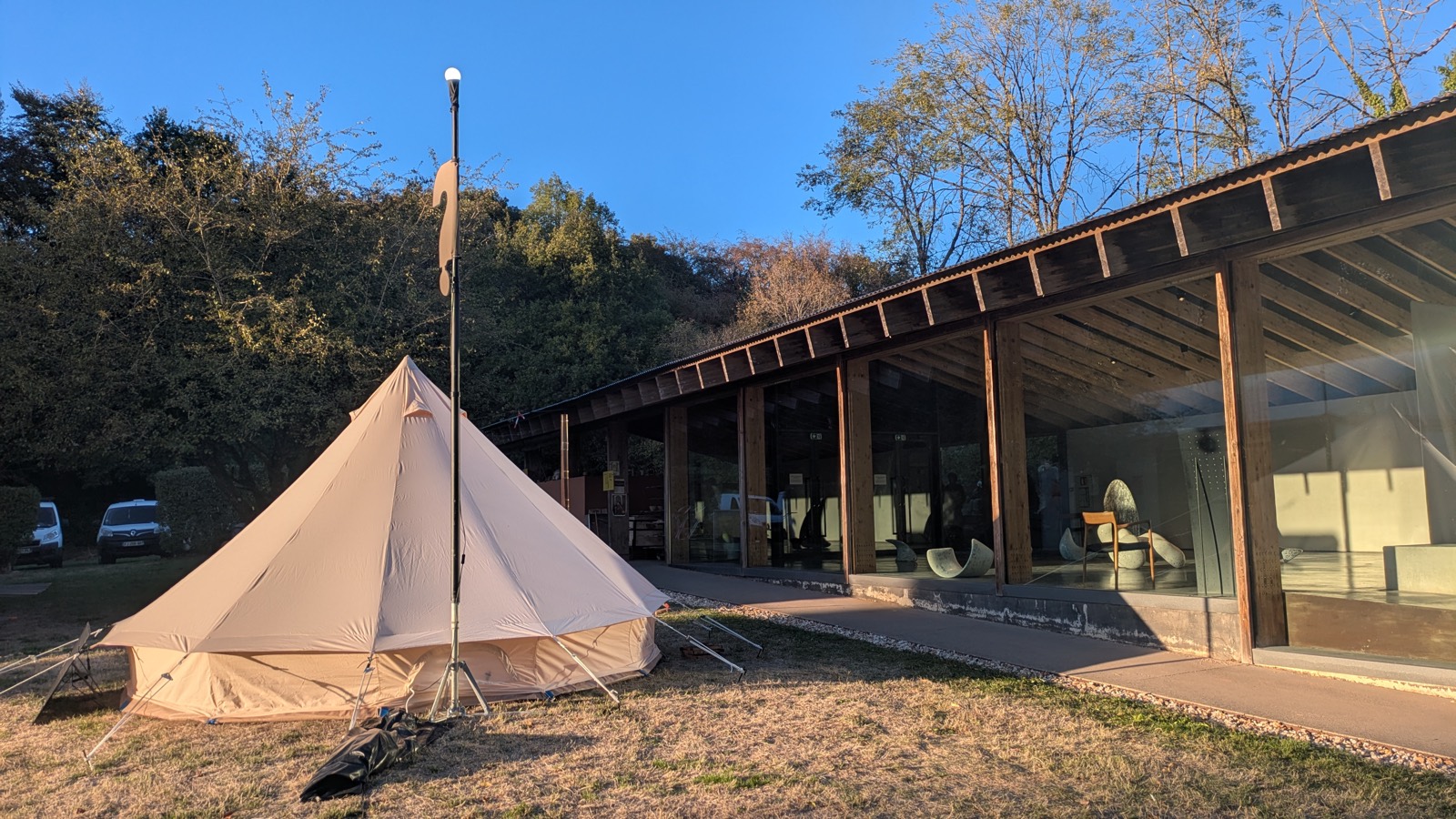
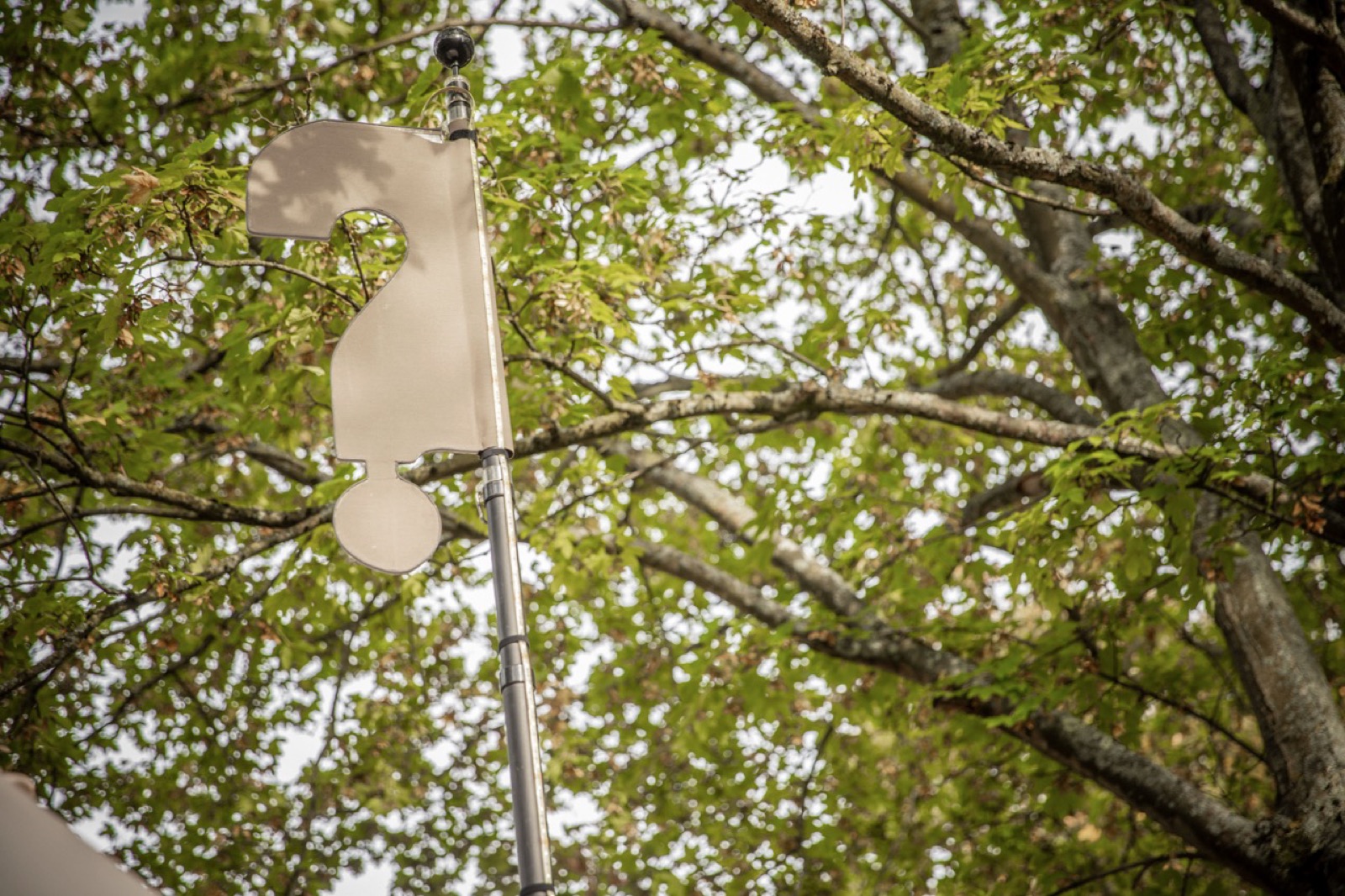
The tent pitched on the grass, a question-mark flag at the top of its pole, in front of the long glass front of the ceramics centre
The flag planted in front of the ceramics centre. Photo: ©ludovicnobileau.
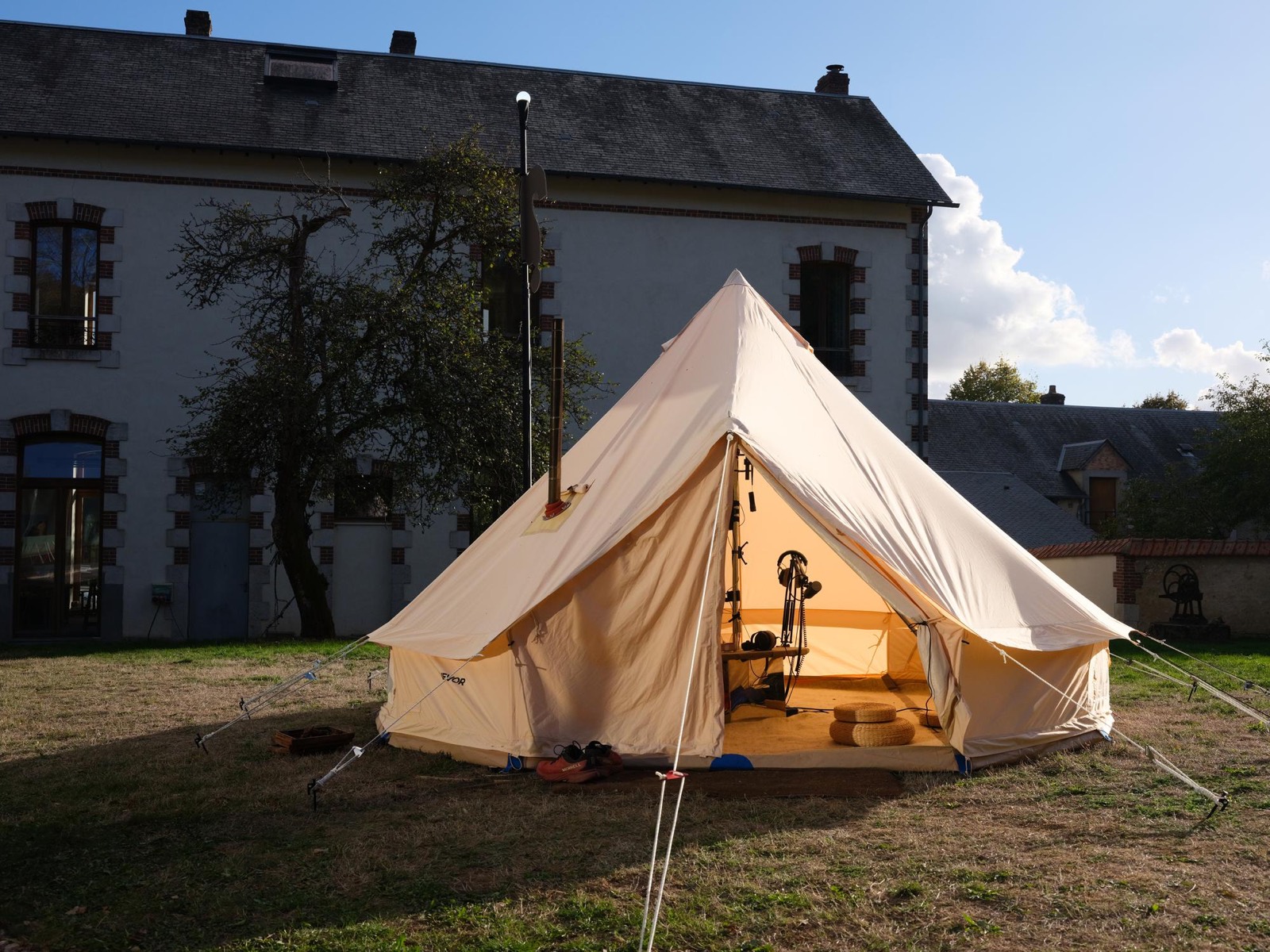
At nightfall, the tent lit from within shows the equipment set out under the canvas
The recording set, pitched under the canvas. Photo: ©bertrandsaugier.
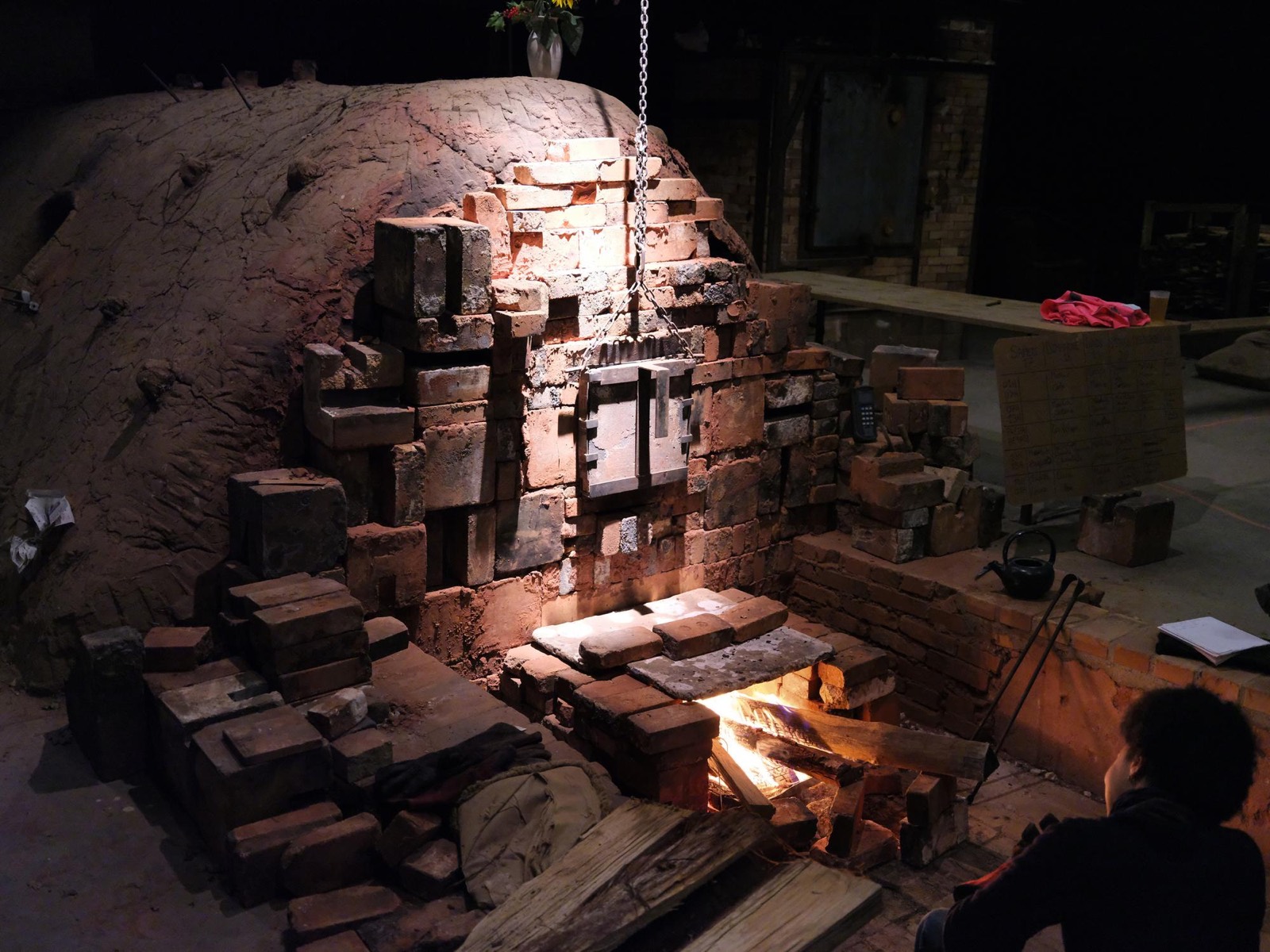
A wood-fired kiln loaded with bricks, the fire visible through its mouth, someone watching over it at night
The kiln burns for five days and five nights. Photo: ©bertrandsaugier.
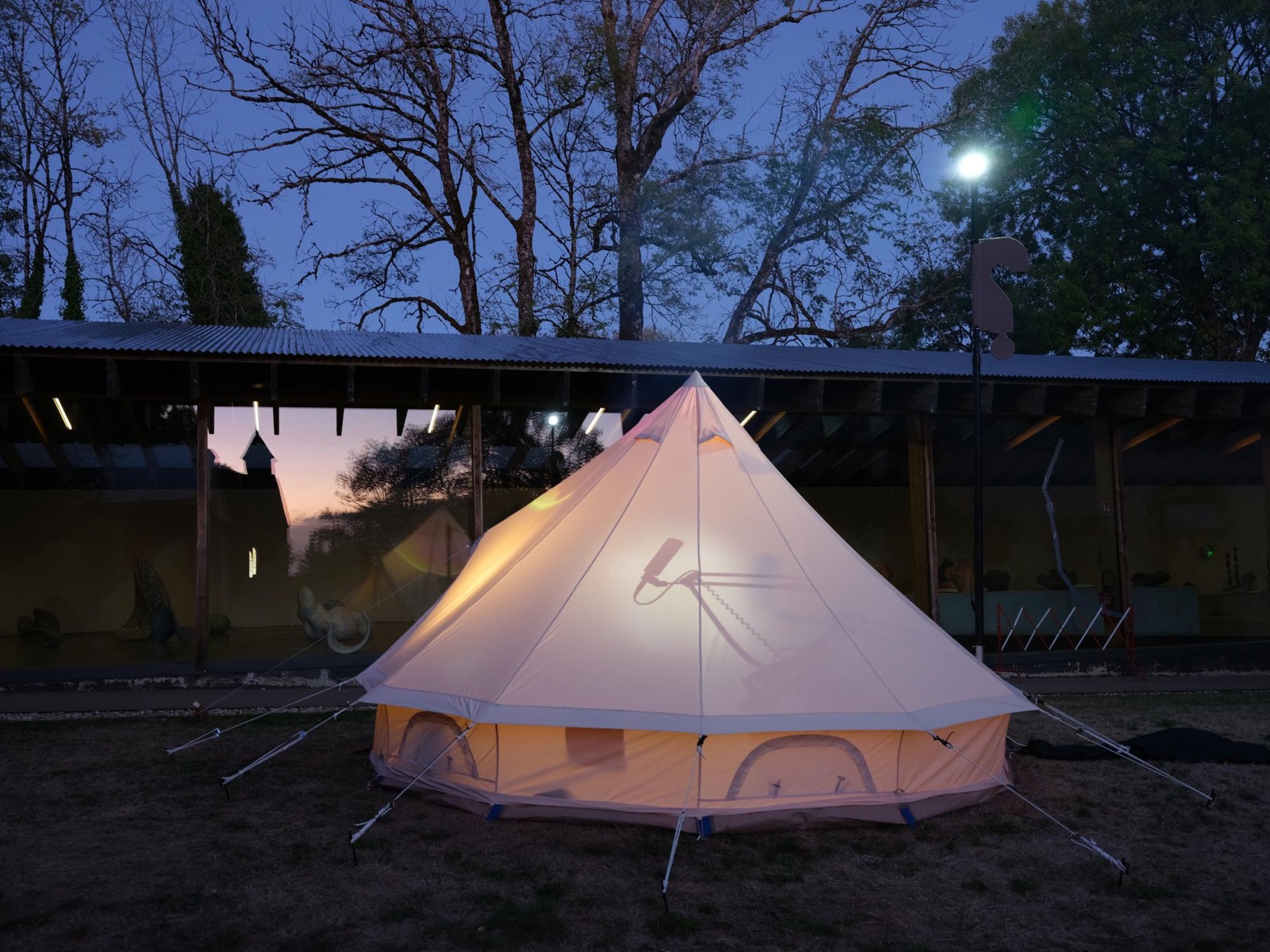
At blue hour, the tent lit in front of the long glazed shed of the ceramics centre, bare trees above
Blue hour, between two firings. Photo: ©bertrandsaugier.
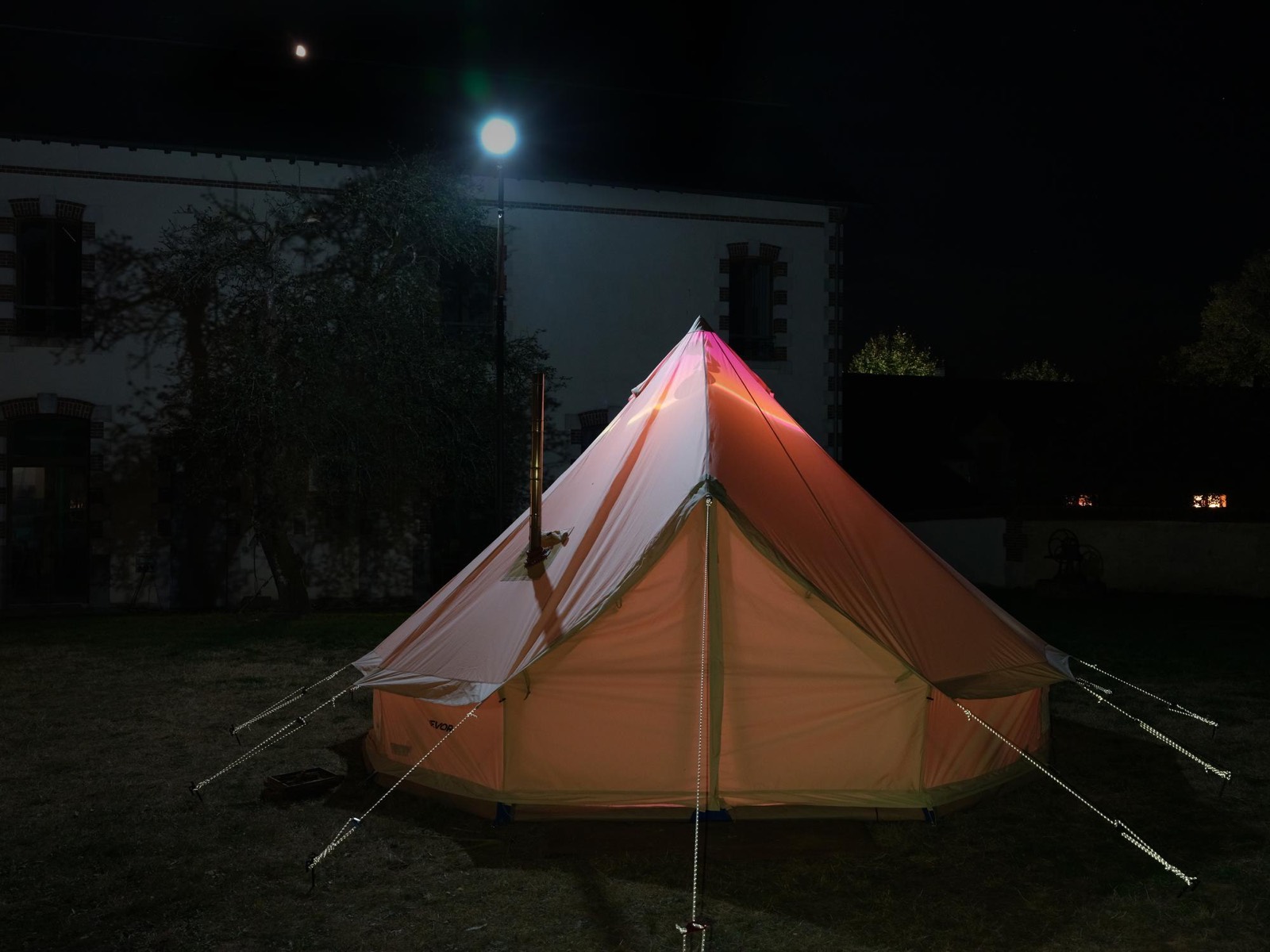
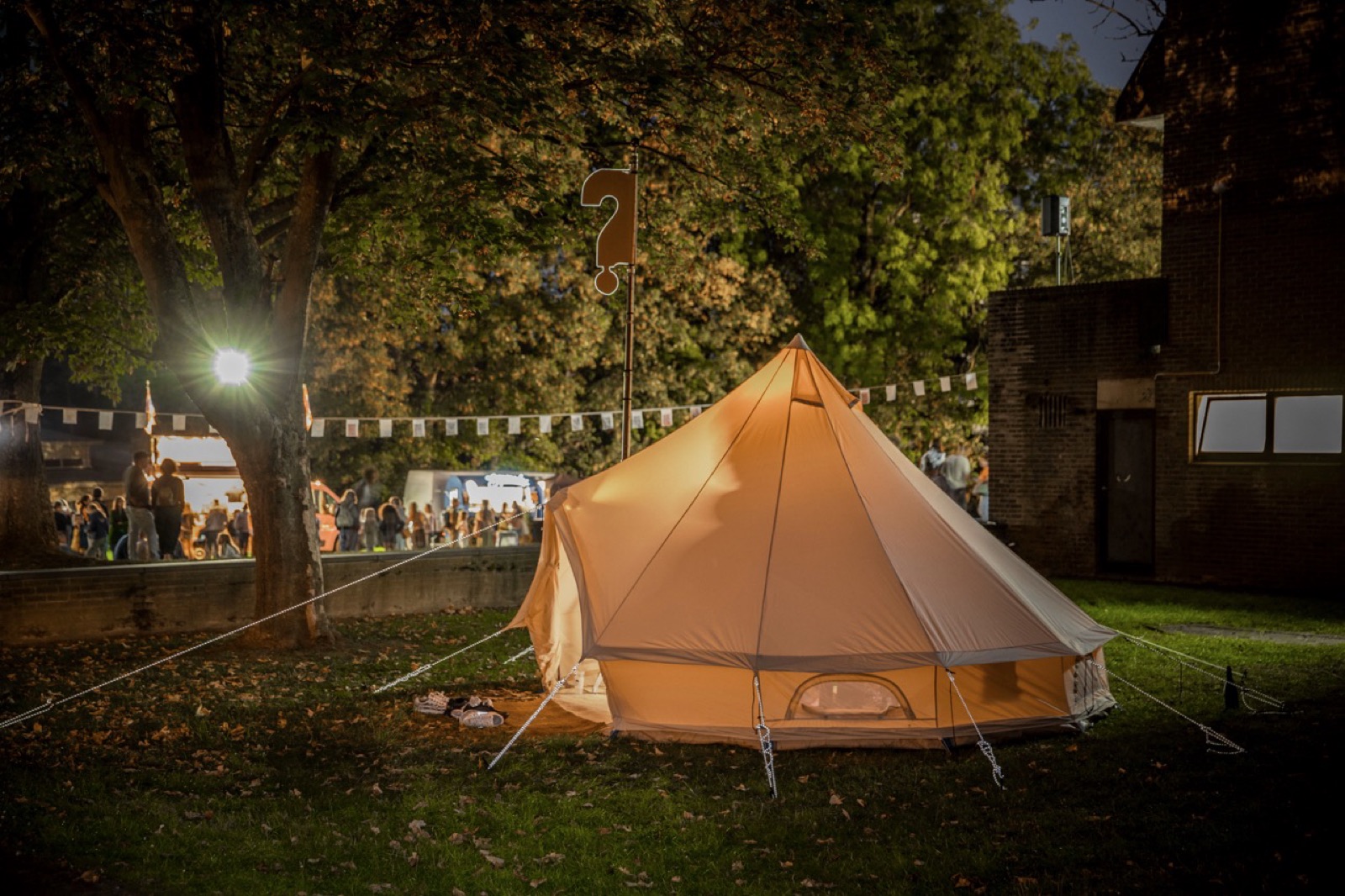
At night, the tent lit from within, alone on the grass in front of the dark building
You go in alone, for a quarter of an hour. Photo: ©bertrandsaugier.
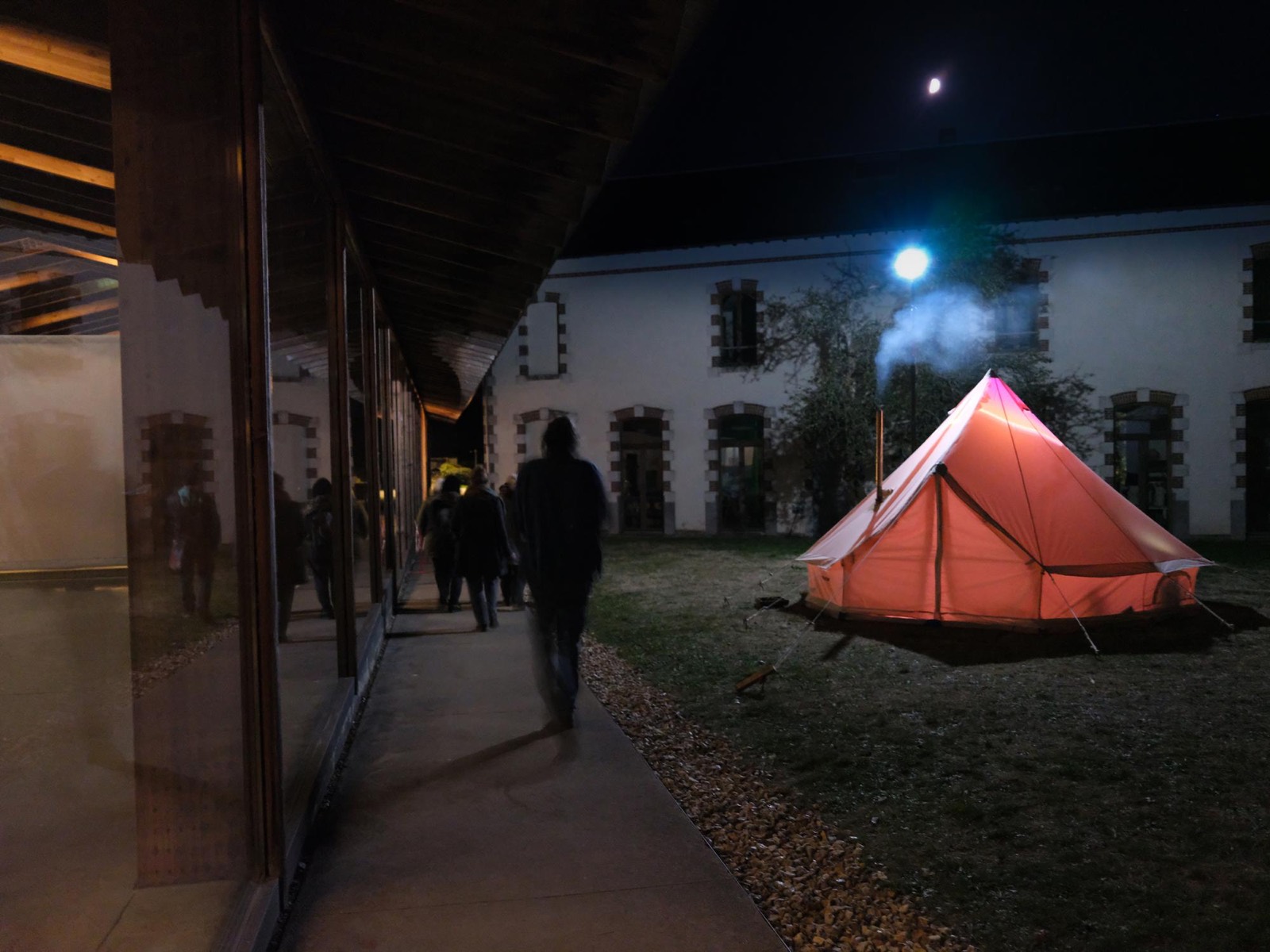
Under the shed, silhouettes walk towards the lit tent at the far end of the yard
At night, people come from far off, between firings. Photo: ©bertrandsaugier.
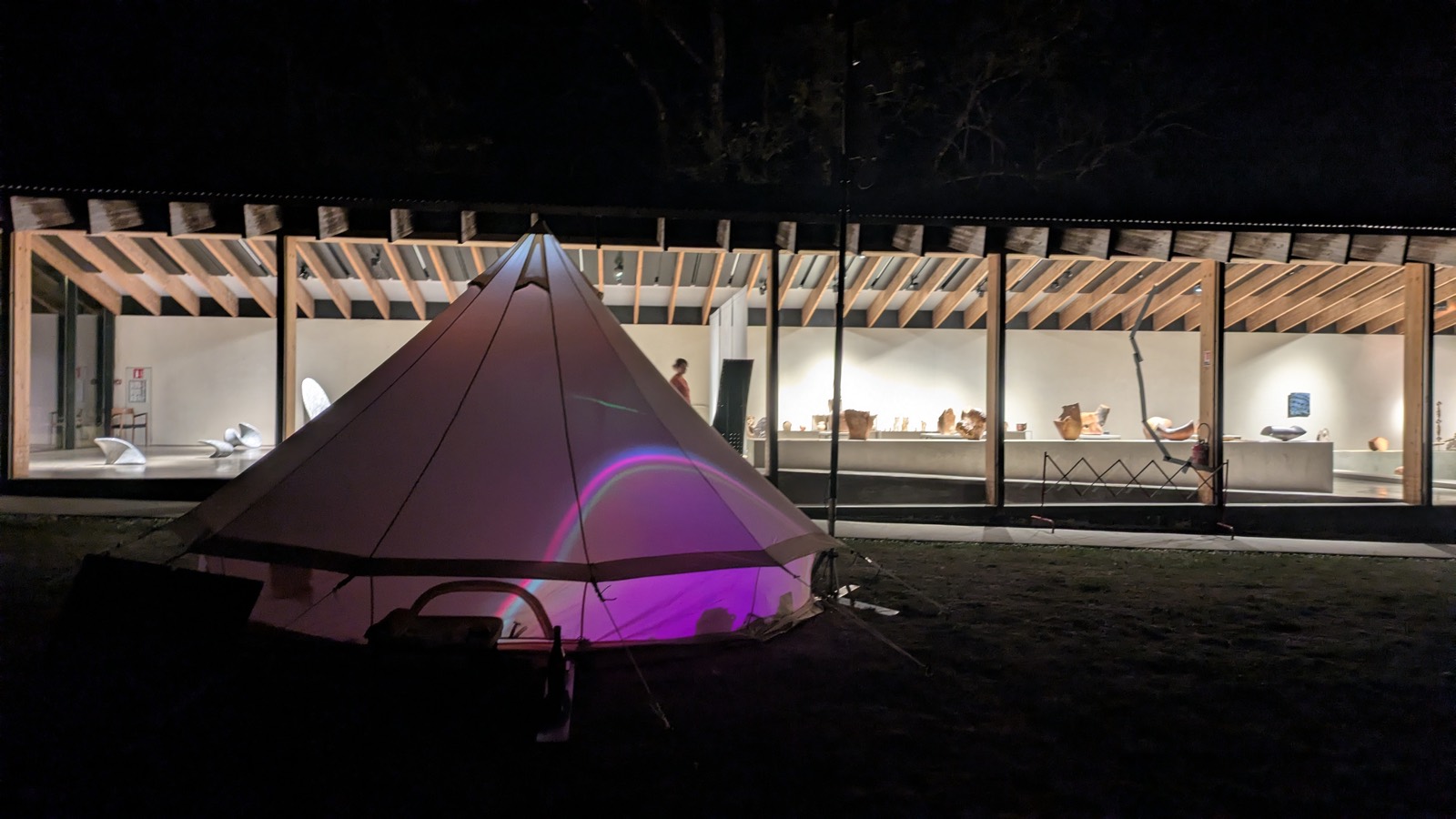
At night, the tent lit pink in front of the museum's lit display windows where ceramics are set out
At night the windows stay lit: the pieces on one side, the tent on the other. Photo: ©ludovicnobileau.
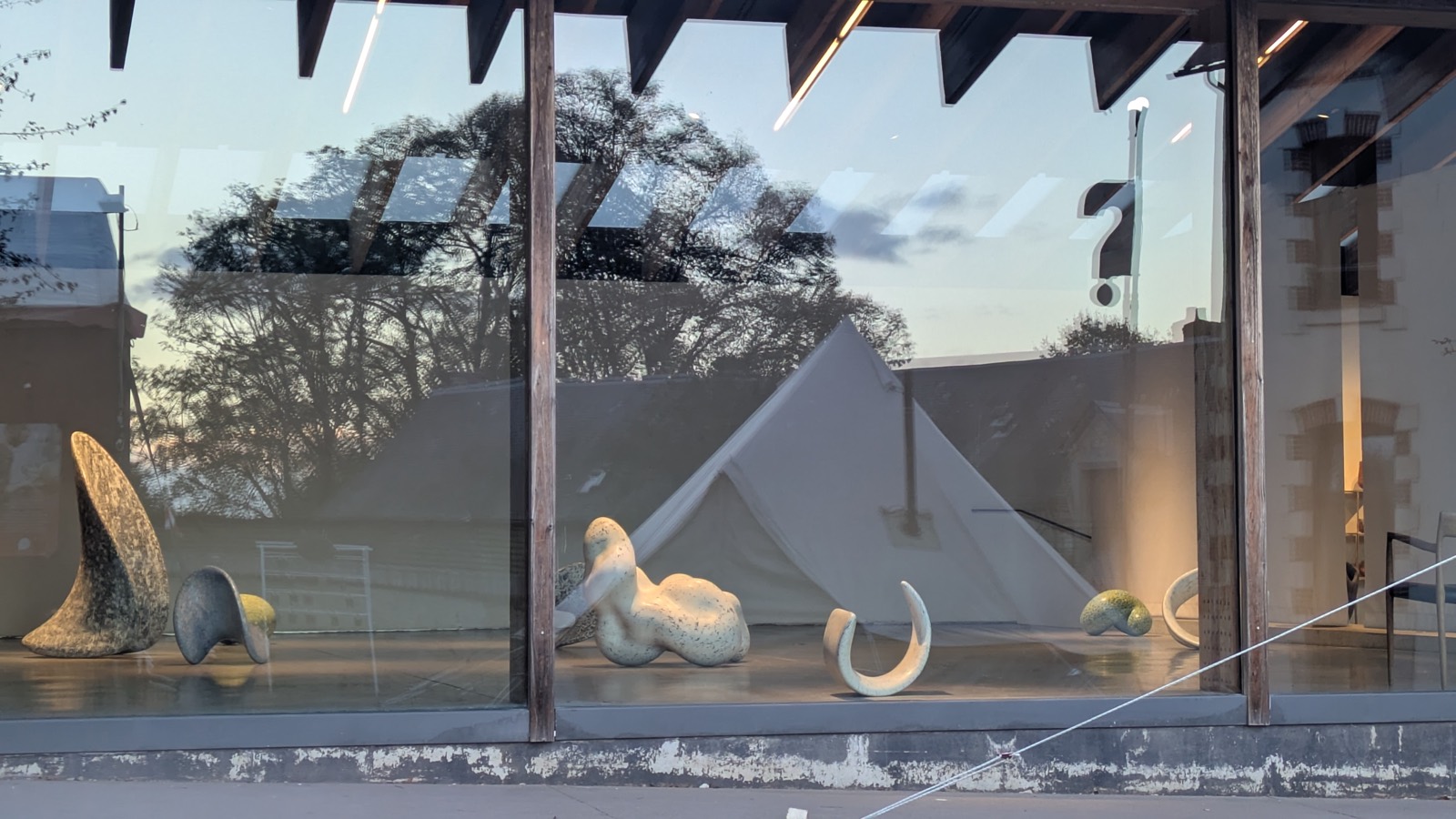
In the museum window, the reflection of the tent and its flag overlays the ceramics on display
In the glass, the ceramics and the tent overlap. Photo: ©ludovicnobileau.

Around the tent

People talk outside too. Standing, without a microphone, between firings.

What comes up most often are the trades that transform the living: clay that is fired, wood that is joined, meat that is cut. Kinds of knowledge we hold to be far apart, and which make the same gesture — taking living matter and turning it into something else, by hand.

Each received it from someone, who already held it from further back. That is what the atlas is after: not what each person recounts, but what the accounts, set side by side, had in common before they ever met.

What we asked there

  • Who taught you to make something with your hands?
  • Do your hands tell you anything about your past?
  • Is there a trade, in your family, that came to an end?
  • Is there a fire, somewhere else, you feel close to?
  • What takes a long time, and cannot go any faster?
  • Are our hands the territory of our dreams?

The answers stay under the canvas. They will only be made public with the written agreement of those who confided them.

8 October · Studio

Three skeletons, and nobody on them.

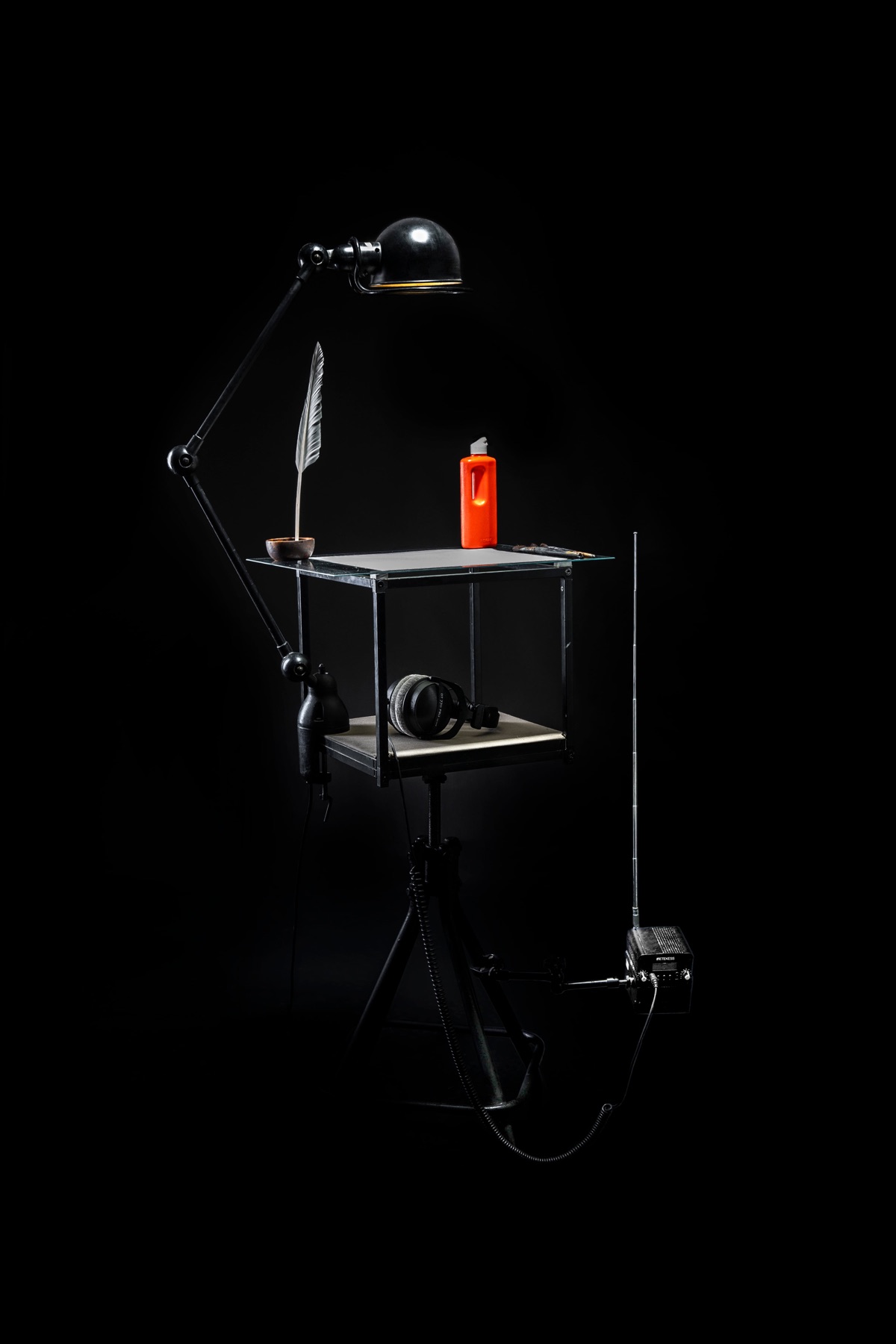
The exhibition poster: the bivouac, the listening, the on-board AI. The place stays empty — it is yours.
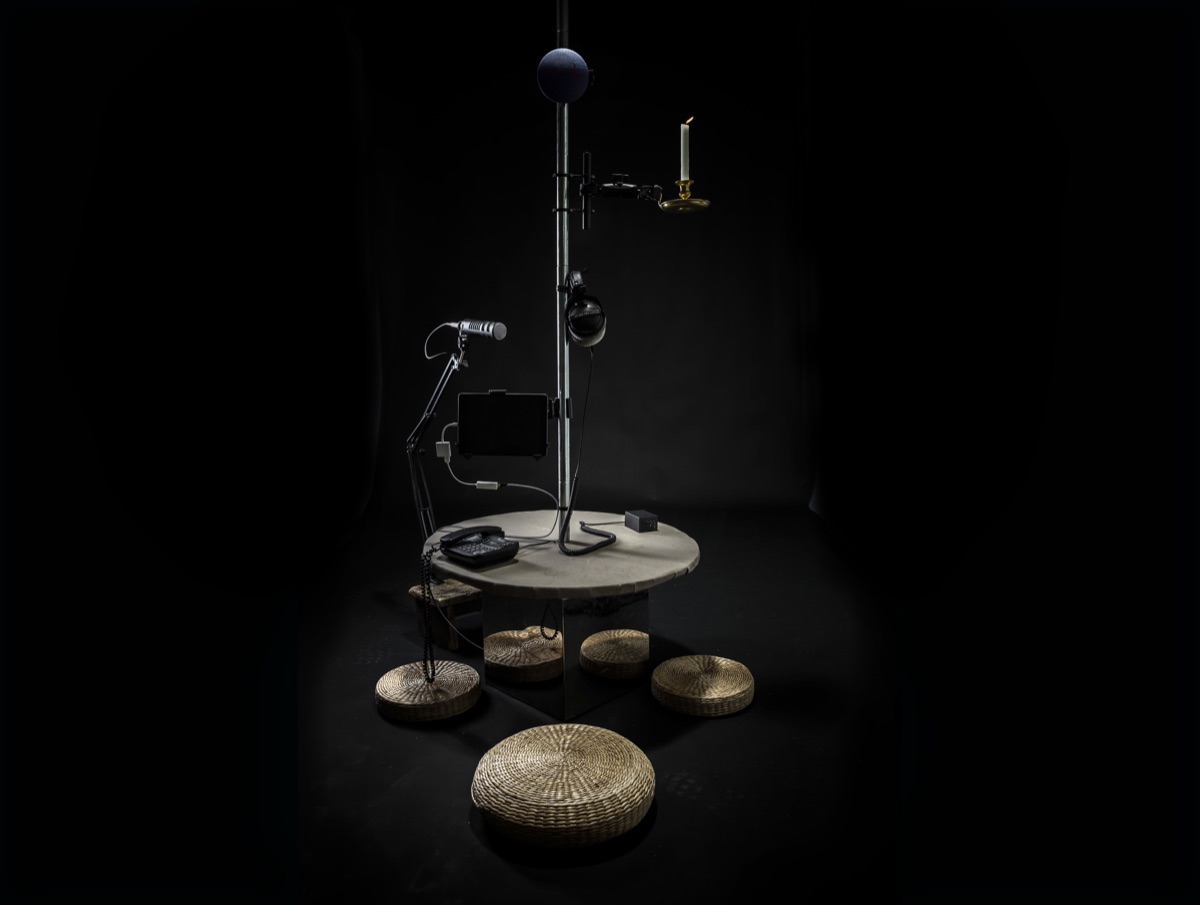
On black, the bivouac set: microphone, headphones, straw stools around a stone disc
The bivouac
On black, a workshop lamp, a quill, a red flask and headphones on a glass table
The listening
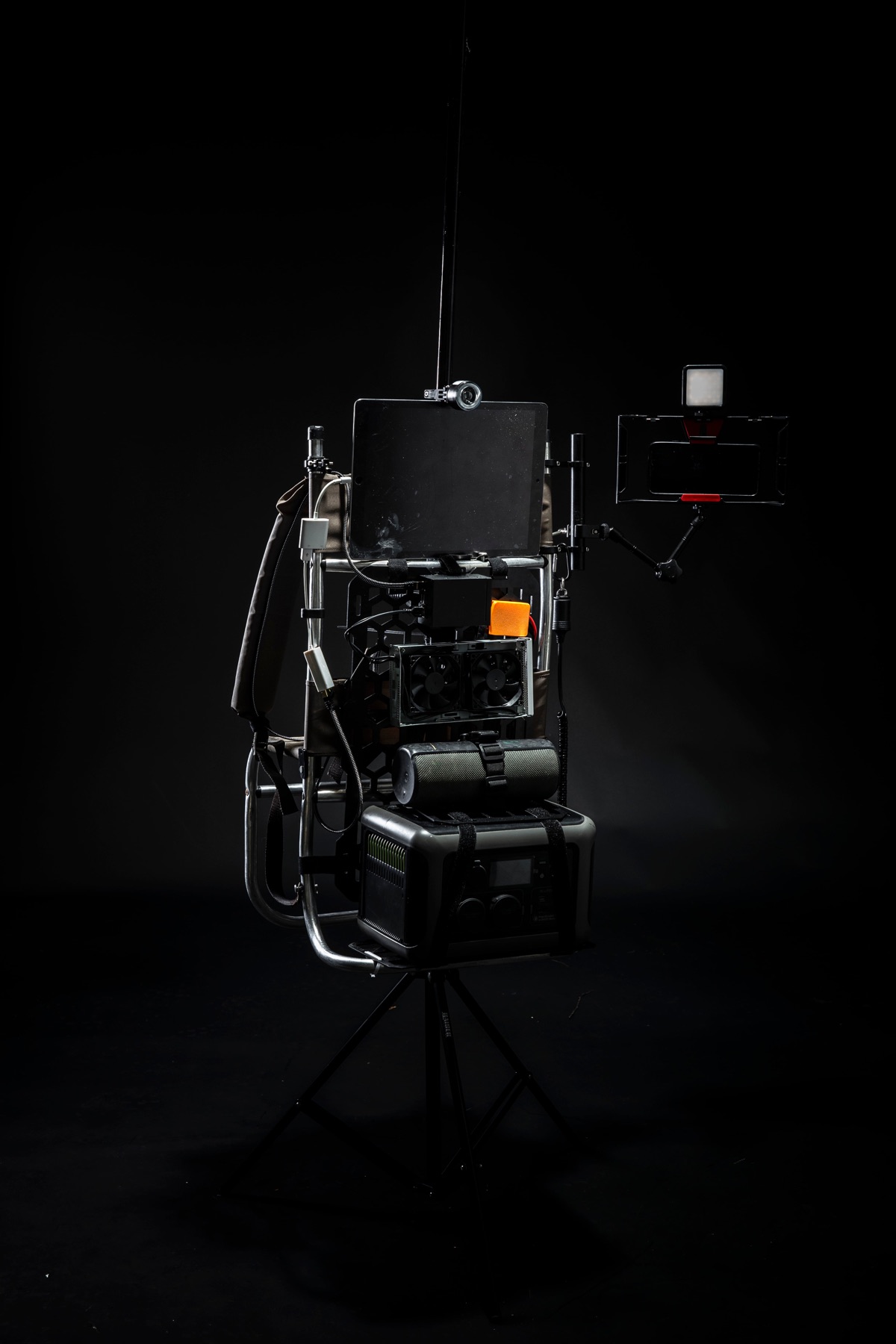
On black, the on-board AI backpack: screen, batteries, antenna, on its tripod
The on-board AI

Click an image to see it full screen.

26 & 27 September · Wolubilis, Brussels

We set a tent down in a park.

First bivouac, two days, during the Fêtes romanes. It held.
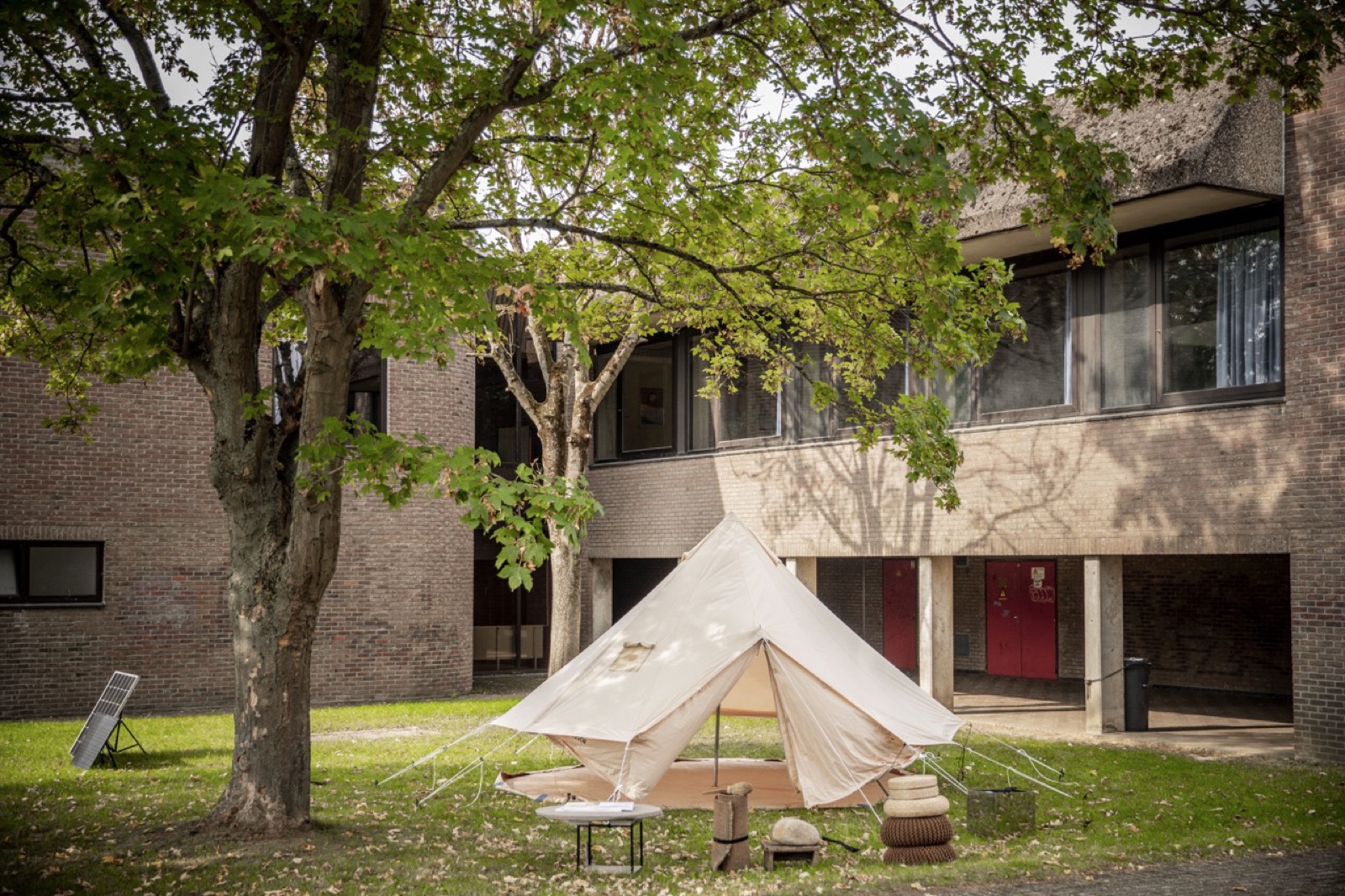
The round tent pitched on the grass, under a big tree, in front of a brick building
A white question-mark flag raised among the leaves
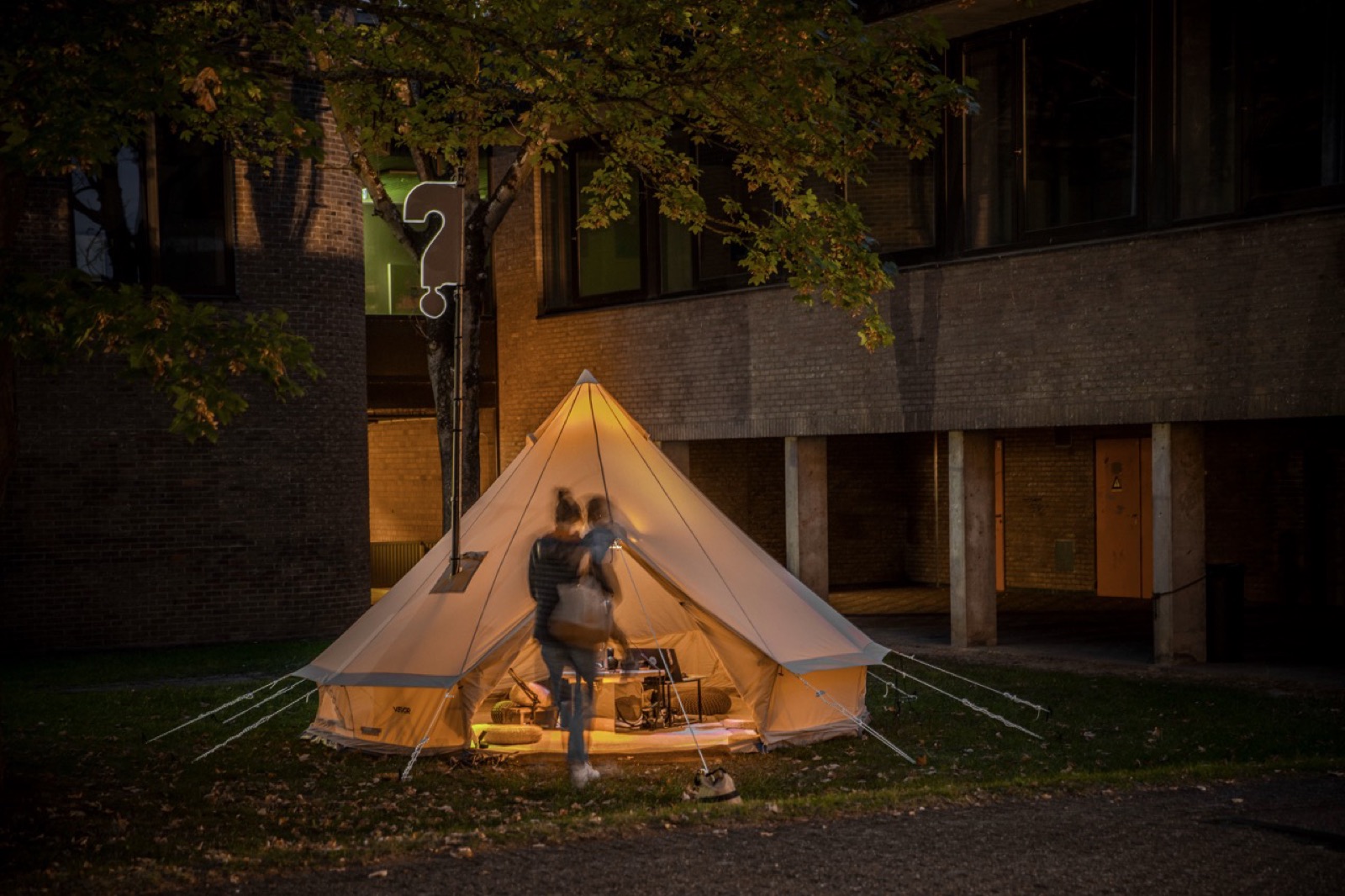
The tent lit at dusk, someone stepping through the entrance

Around the tent

In the park, the queue was mostly teenagers.

What comes up with them is not the hand but the gaze. Watching people to read what they are not saying. Getting lost somewhere, and feeling free there at last. And, almost every time, preferring to listen to other people's stories rather than talk about themselves.

It is the opposite of what is expected of a generation said to be overexposed. Under the canvas, what they ask for is not to be seen: it is to be heard to the end, with nobody cutting in.

Under the canvas

Headphones, a microphone, a question.

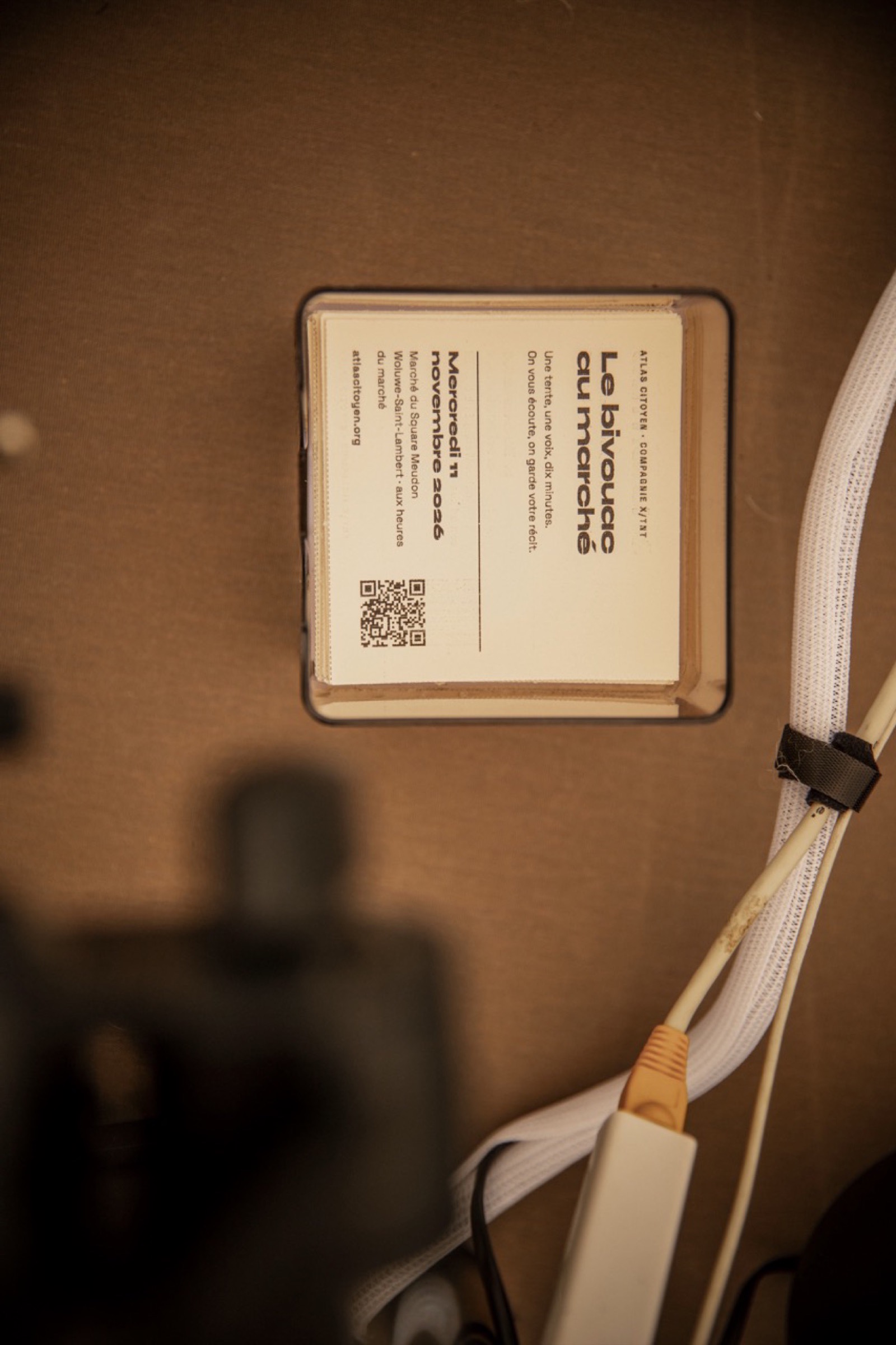
You go in alone. You leave with a numbered card: it lets you find your words again — or withdraw them.
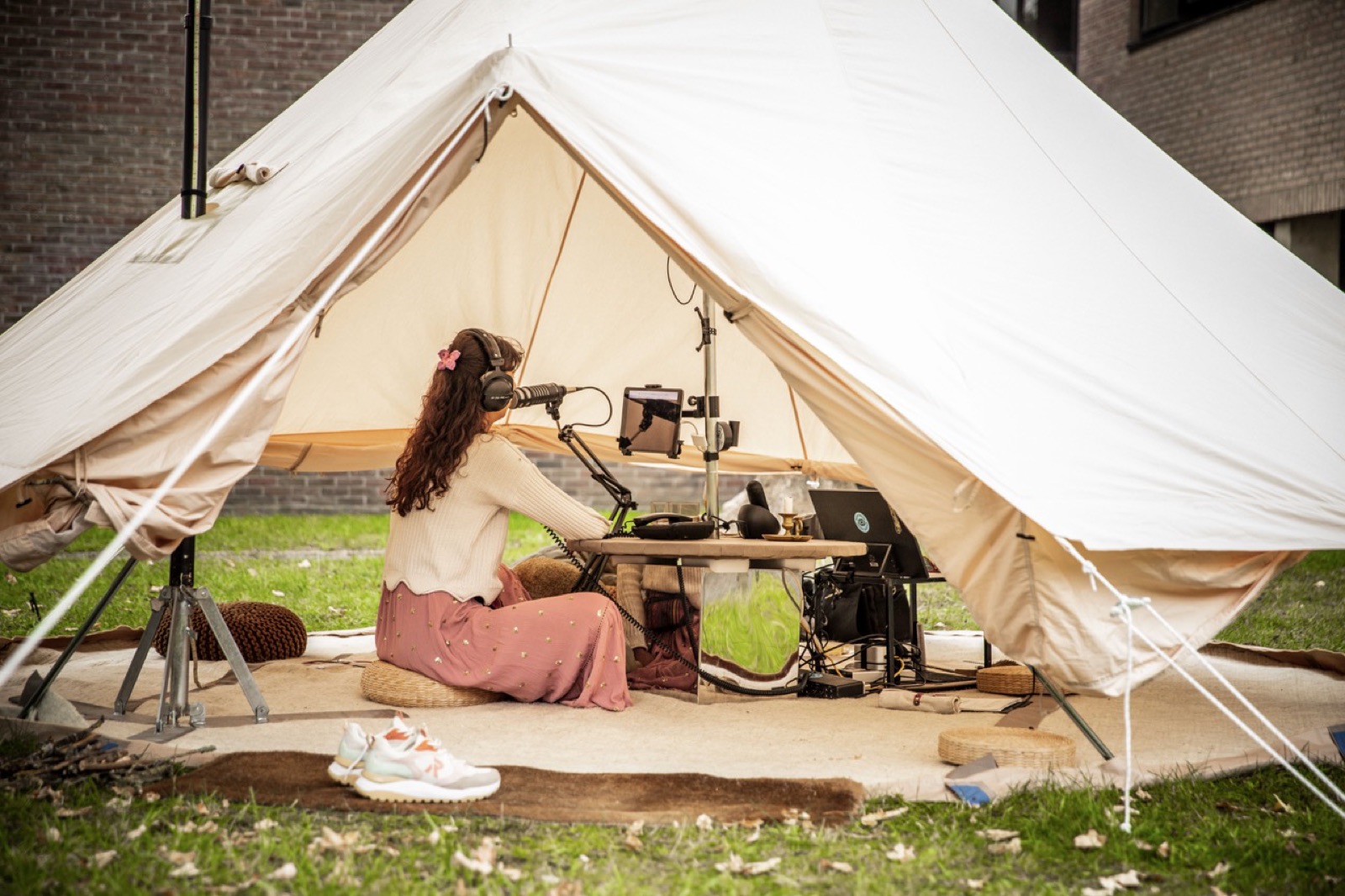
Inside the tent, a person sitting at the microphone, seen from behind, headphones on
The numbered card handed to the participant, with its QR code, beside the iPad
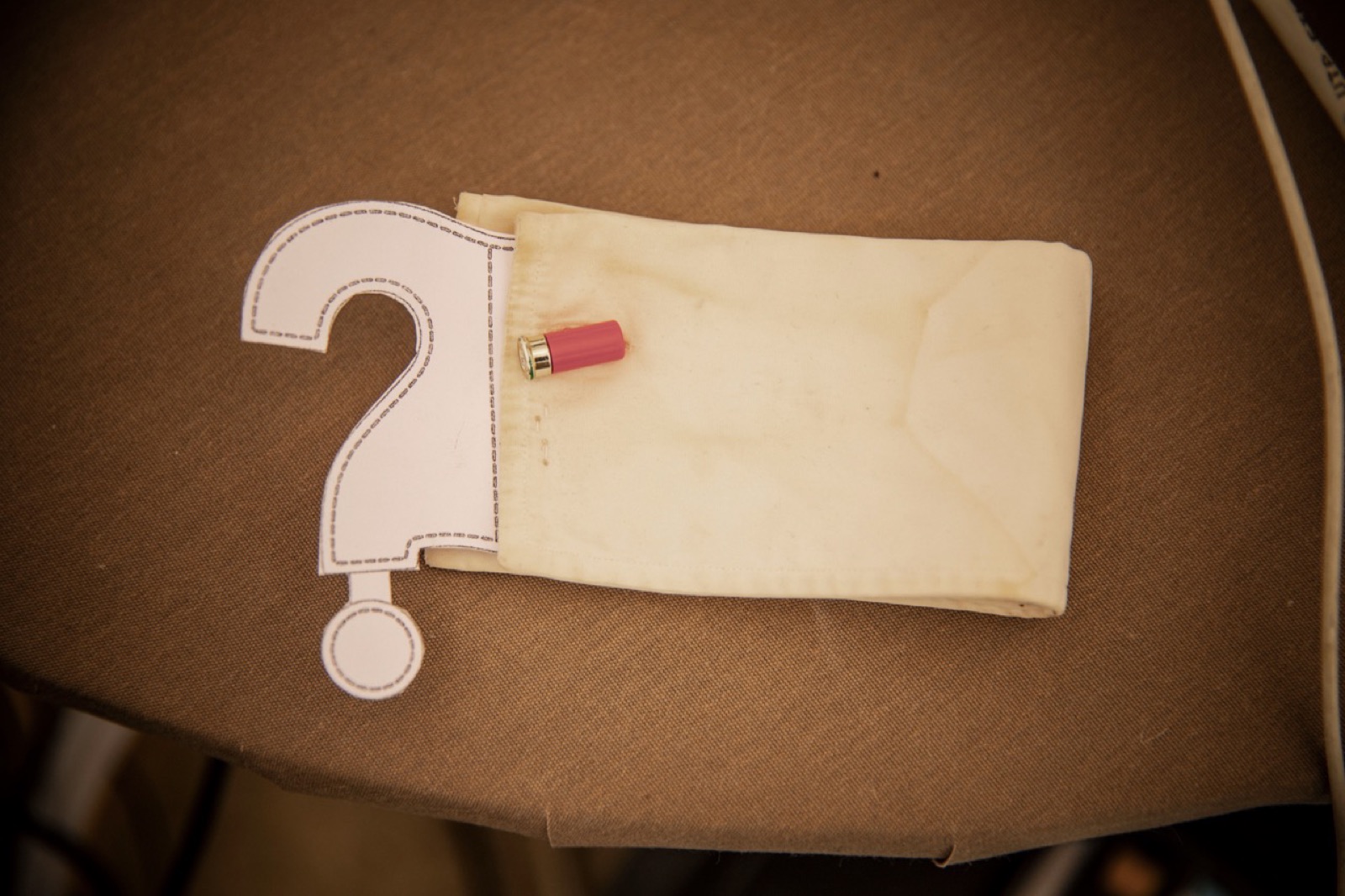
The question mark cut from fabric, sewn onto the canvas